Highlights
- Diagnosed the cause of a fuel filter failure and helped design preventative measures to keep it from recurring
- Investigated high-pressure fuel line failures using resonant frequency and surface finish analysis
My first real engineering internship, right after my sophomore year. I spent the summer in the Fuel Systems Group doing product validation: figuring out why parts fail, and whether a proposed fix actually addresses the root cause rather than the symptom.
Fuel filter leak
The project I owned was a leak investigation on a 5 µm fuel filter. I worked with the company’s filtration business to plan and coordinate the testing that would identify the root cause, then helped put processes in place to keep it from recurring. The useful lesson was that a test plan is not a one-shot thing: each round of results sent us back to re-evaluate what we thought the cause was and what to test next.
High-pressure fuel line failures
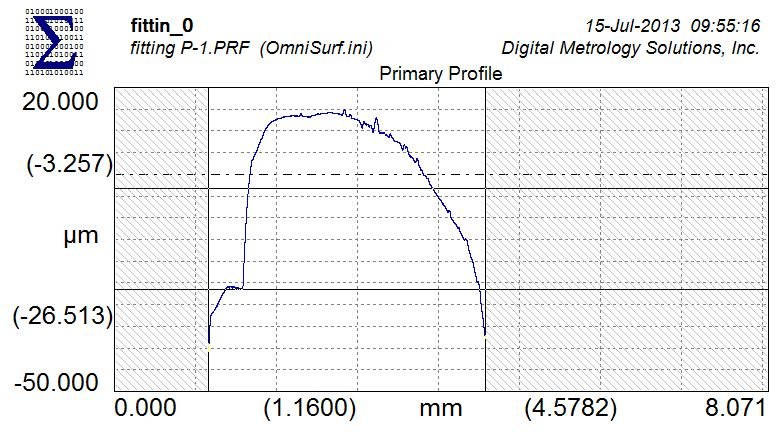
The larger investigation was into high-pressure fuel lines failing in the field. I worked through several branches of the fault tree analysis. That meant digging into the surface finish specification for the rail nut that clamps the line, measuring and comparing surface finish across pre-production and production nuts, and comparing the rail nut drawings across several engine families to see where the requirements differed. I also coordinated strain-gauge testing of the lines with the supplier and compared their results against our own test data, and looked at resonant frequency as a failure factor.
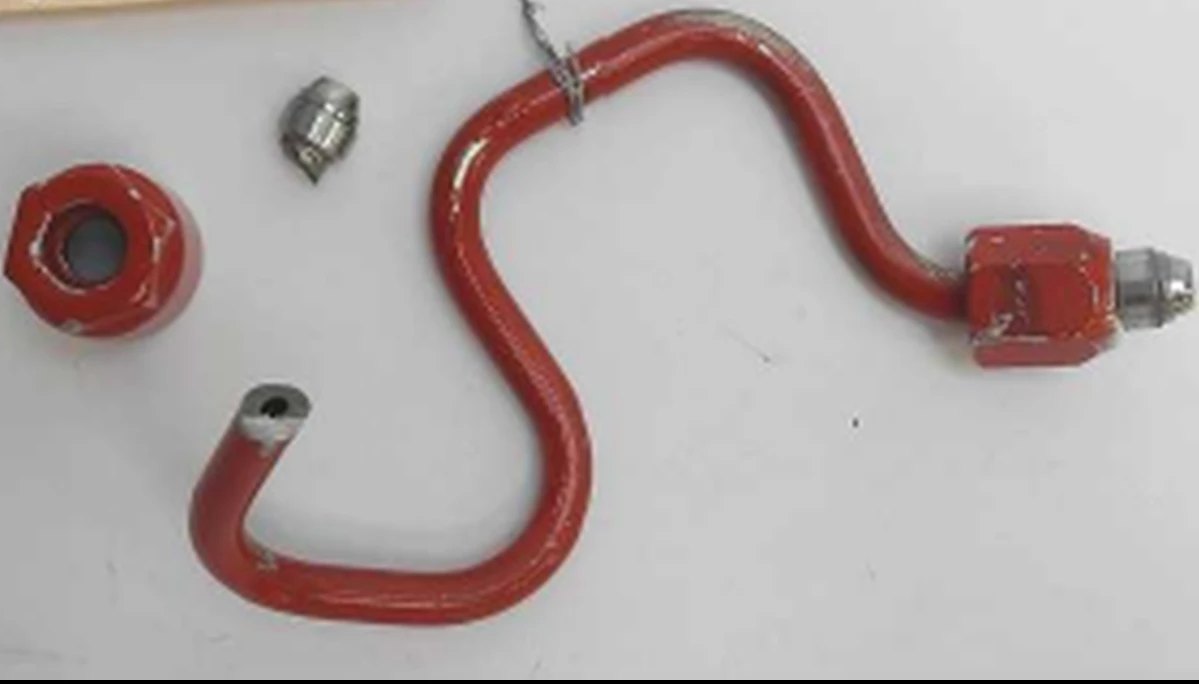
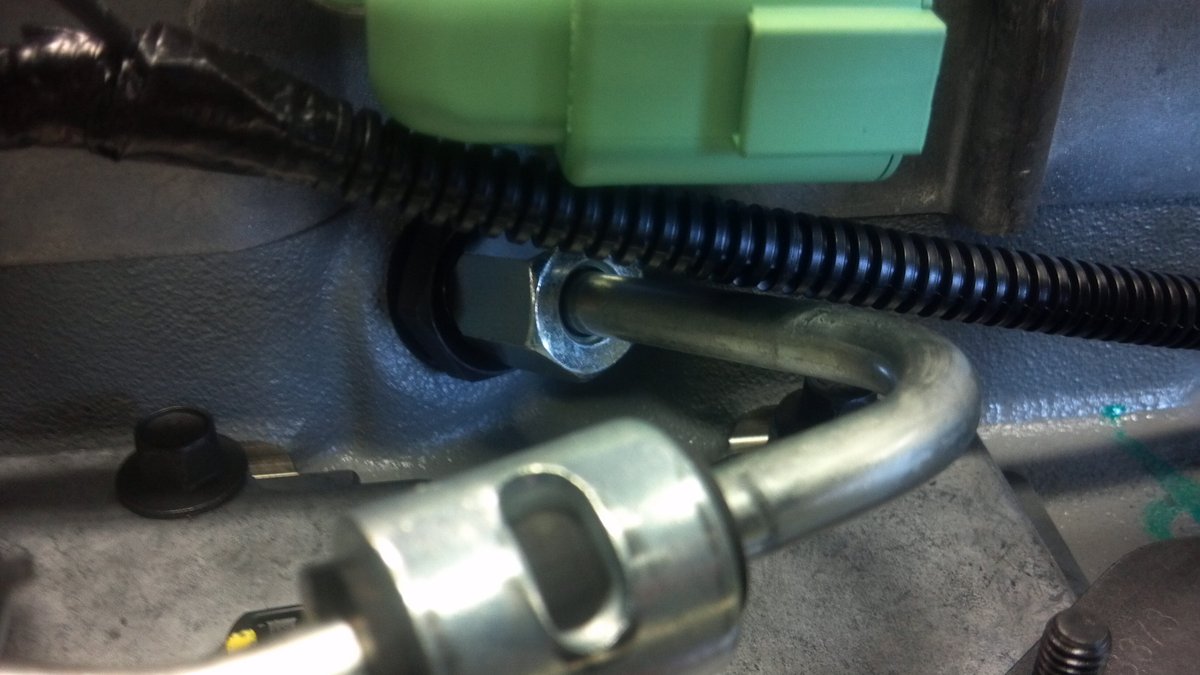
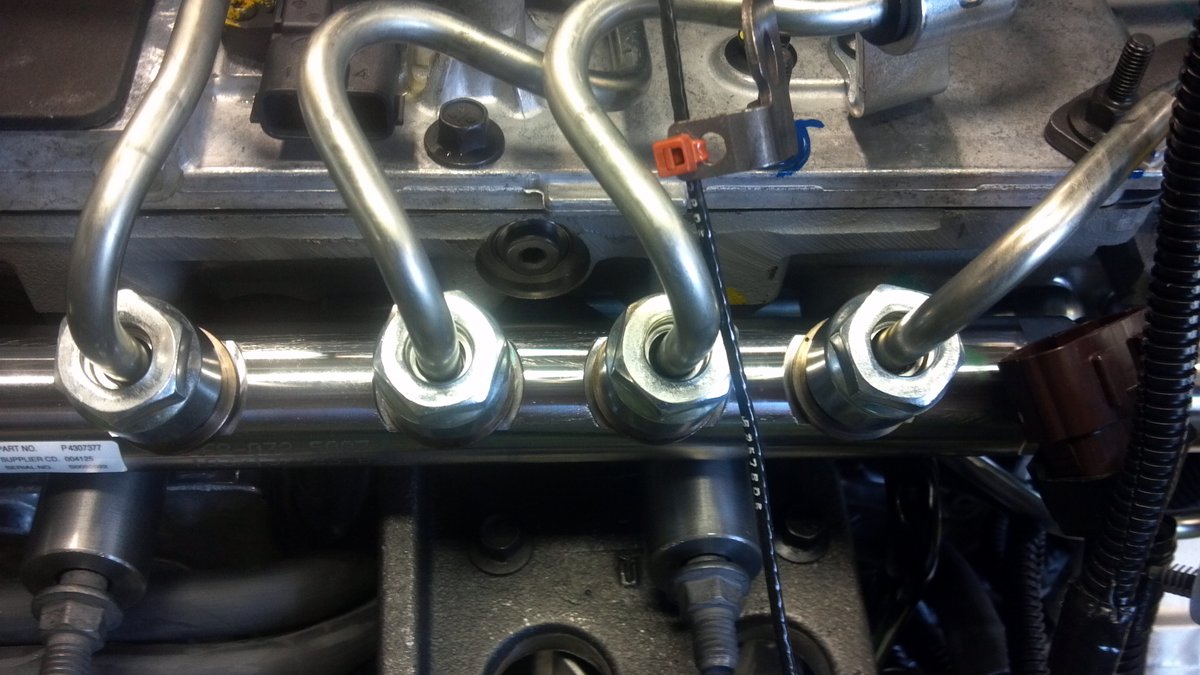
One of the failed high-pressure fuel lines, with the rail nut that clamps it.
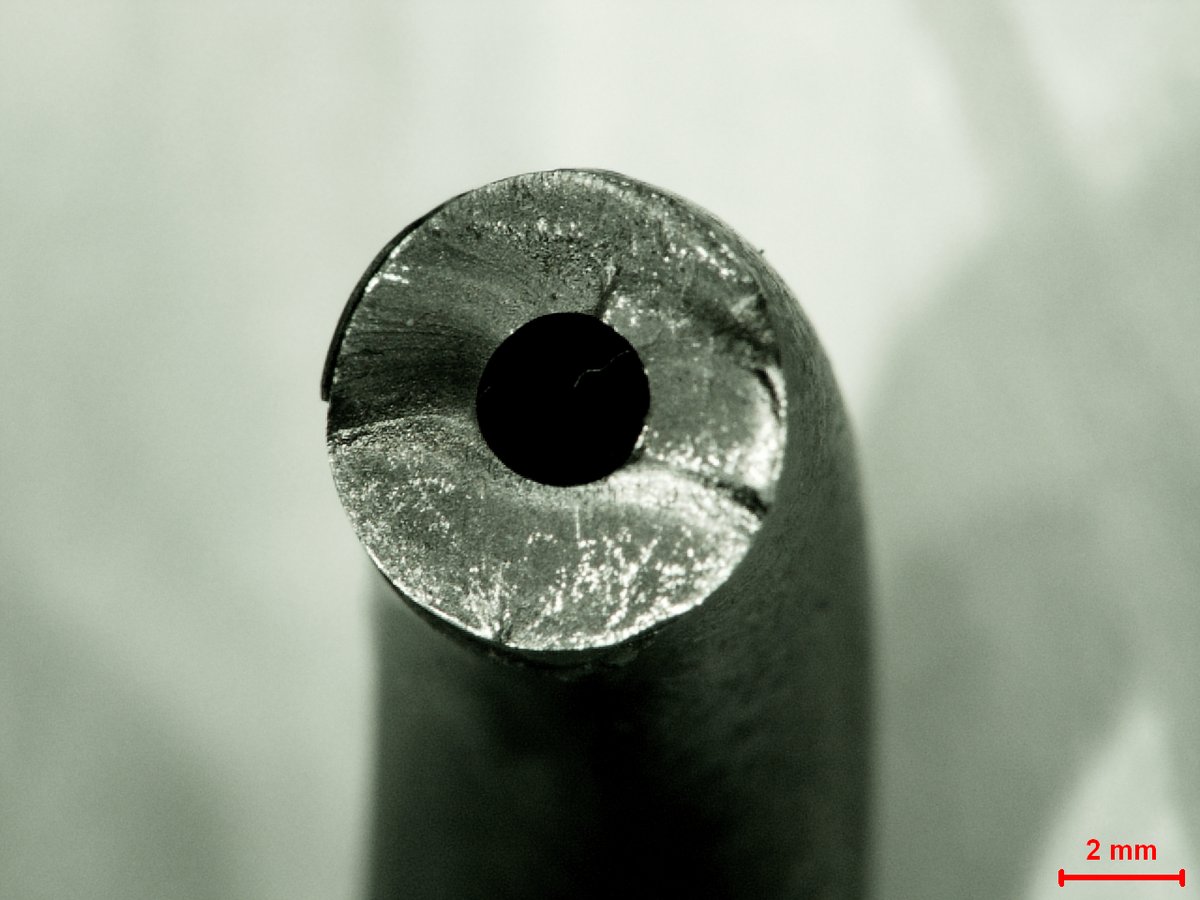
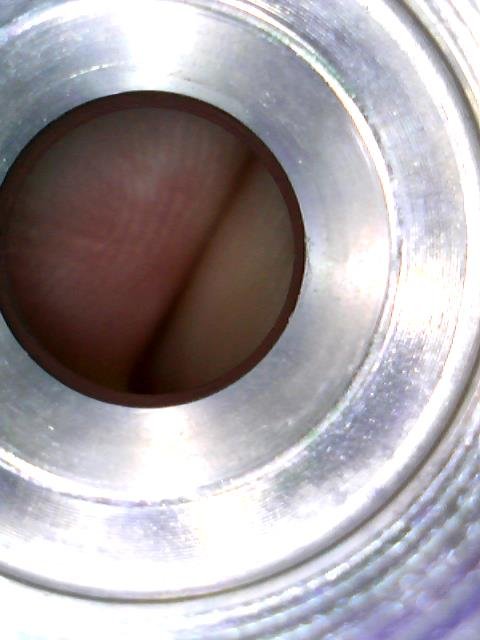
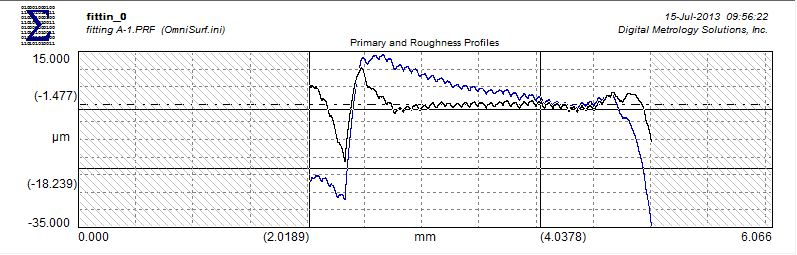
It was my first exposure to treating “why did this break” as a rigorous investigation rather than a guess, and to the fact that an answer only counts once two independent measurements agree.
Cap screw thread engagement
On a third investigation, an injector clamp cap screw had been manufactured differently from its drawing. I traced what that meant in practice: which test engines needed the parts replaced, which vehicles in the field were affected, and how the part had been released by the supplier in the first place. That taught me how supplier parts get approved and how a recall campaign is run.
Beyond the investigations
I also rebuilt an unwieldy spreadsheet of the engineering group’s skills and experience into something managers could actually use for staffing decisions, which is where I learned to write VBA. I helped gather material from across the engineering organization for an internal “Discover Cummins” booth explaining what the group does, sat in on trainings in engine familiarization, failure mode analysis and CFD for designers, toured the engine and components plants, and organized the interns to volunteer at a local glow-in-the-dark 5K for a youth foundation.