A two-semester capstone under Peter Ifju: EML4501 took the design from an open-ended brief through detailed analysis and a defended engineering report, and EML4502 was where you found out what your drawings were actually worth, because you had to build the thing.
Scoot Case
Our brief was personal mobility, and the design that came out of it was a collapsible electric scooter that folds down into a hard case you can carry. The functional requirements we set were concrete enough to check: carry an adult at up to 15 mph, run for at least 40 minutes on a charge, and fold or unfold in under 45 seconds.
Team: Andre Mildh, Camilo Rey, Cleveland Joseph, Jason Bice, Ben Kutz, and me.
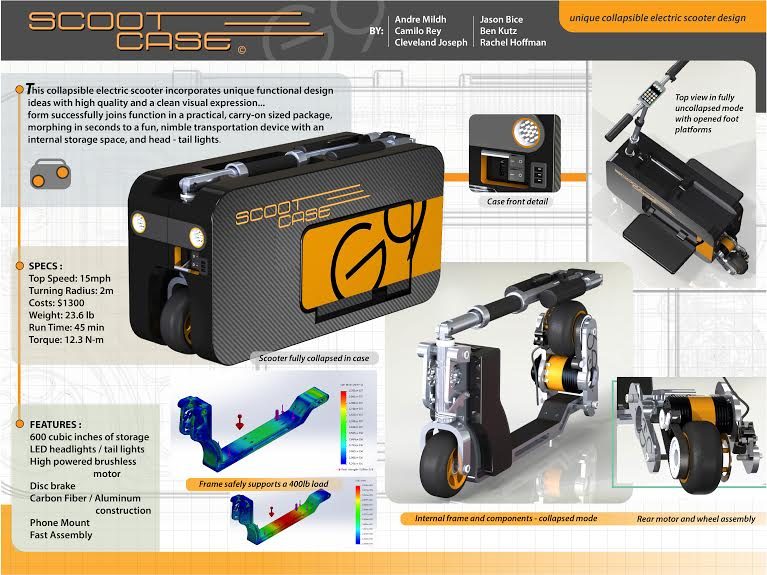
As designed: 15 mph top speed · 2 m turning radius · 23.6 lb · 45 min runtime · 12.3 N·m torque · ~600 in³ of internal storage · $1,300 build cost.
The folding requirement drove everything. A scooter that folds is easy; a scooter that folds into a closed case that also carries your things means the frame geometry, the motor placement, and the storage volume all have to be solved at once rather than in sequence. We ran FEA on the frame to confirm it carried a 400 lb load with margin, since the folding joints put the worst stresses right where the structure had to come apart.
Building it
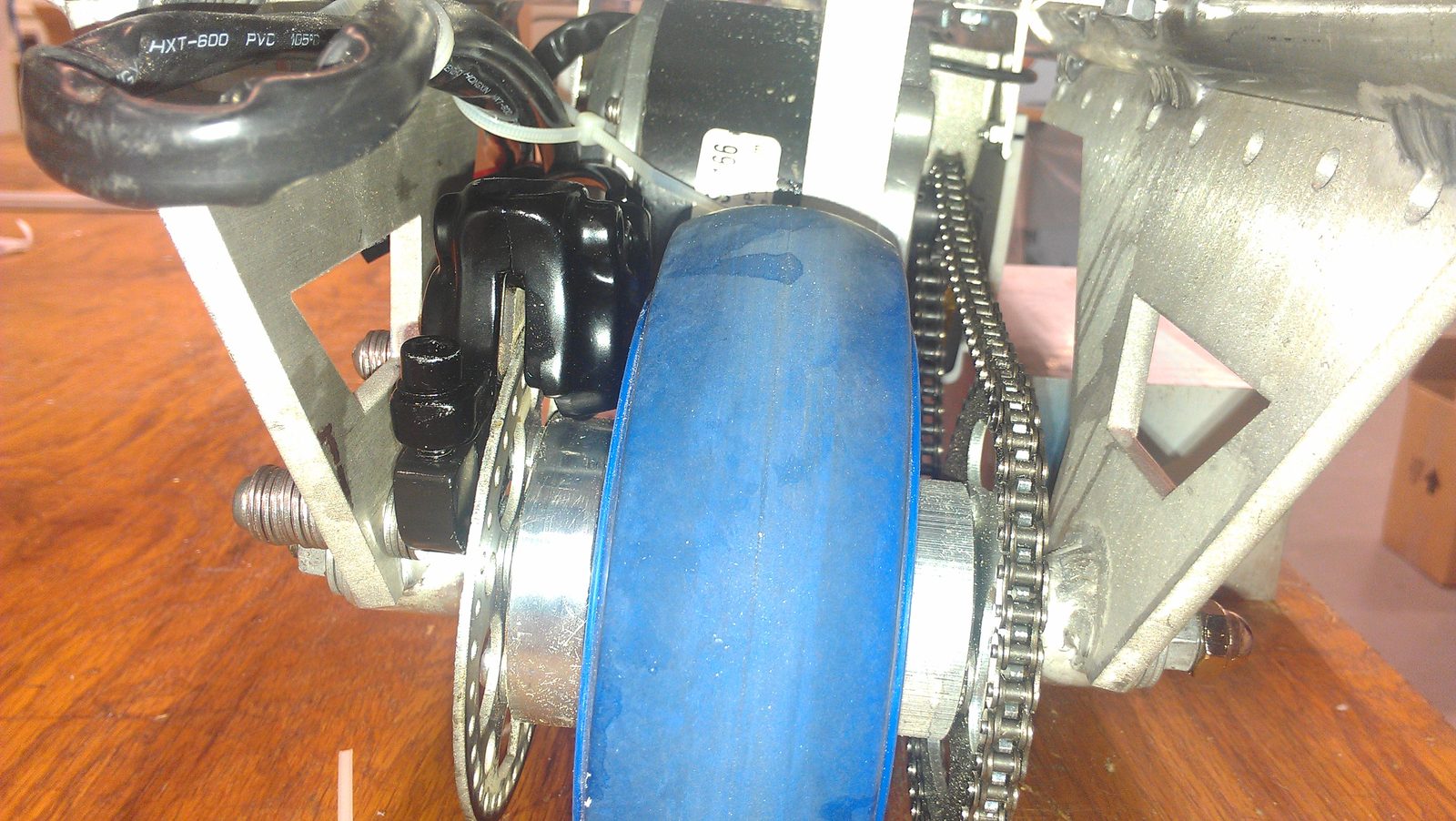
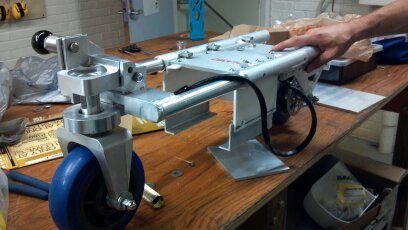
In EML4502 we fabricated a modified version of the design. This was the semester that taught me how much of a drawing is assumptions you didn’t know you were making — tolerances that were fine on screen and impossible on a manual mill, weldments that moved when they cooled, fasteners you couldn’t physically reach once the frame was together.
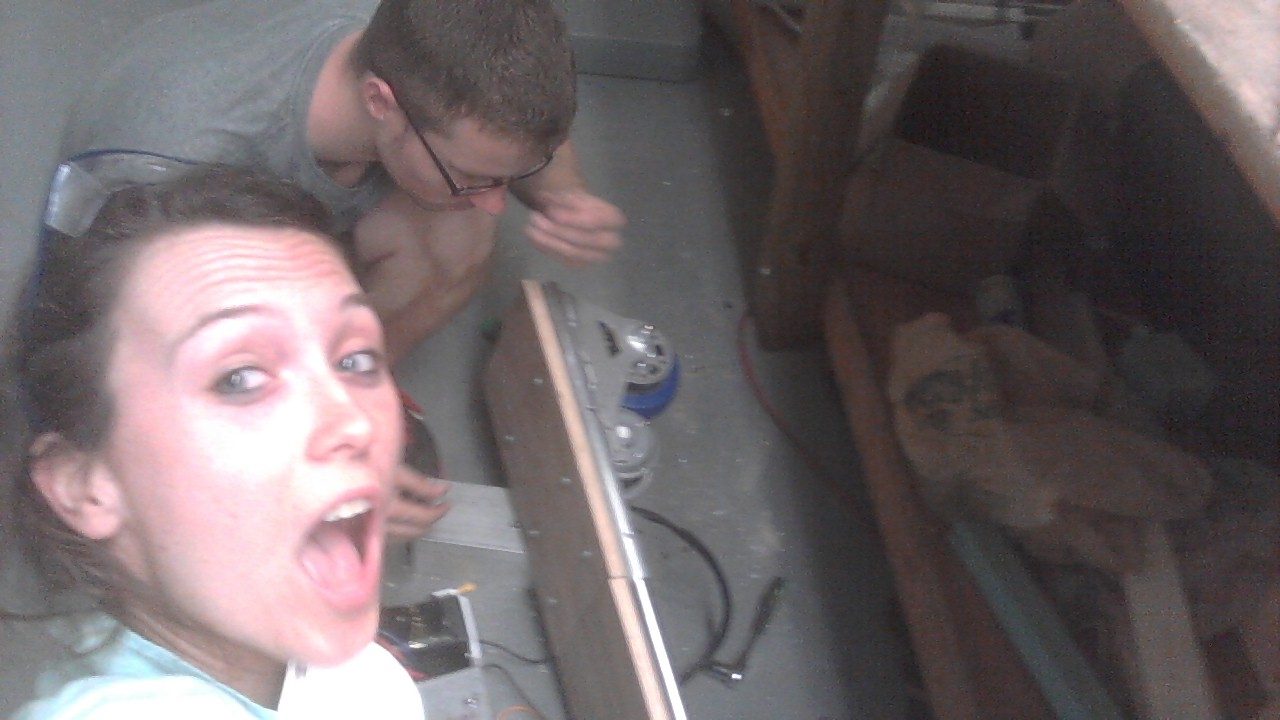
That gap between the CAD model and the part in your hand is the reason I went on to care about precision machine design and error budgeting — the idea that you should be able to predict how far off the built thing will be, rather than finding out at assembly.